Tour Detail
DAY 1: HALFETI – GAZIANTEP
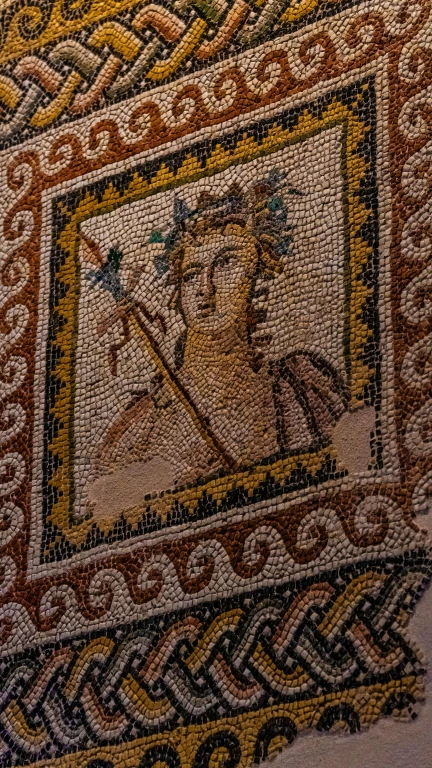
We start to explore Gaziantep with our guide waiting for us at the airport. Our first stop is the GAZIANTEP ZUGMA MOSAIC MUSEUM to see the mosaics taken from Zeugma (Belkıs). We visit the Antep Castle and the panoramic time tunnel of the Antep Liberation War, the historical Copper Bazaar, Historical Zincirli Bedesten, Historical Tahmis Coffeehouse, Customs Han, Gaziantep Bath Museum, and after free time, we head towards Halfeti. On the way, we stop at the Birecik district where the endangered bald ibis is under protection. We will try to get to know Halfeti, which was called Shitamrat by the Assyrians. Another feature of Halfeti is that it is the only place in the world where the black rose can grow. We will take a boat tour to see the remains of the Rum Castle, where St. Paul, the apostle of Jesus, is said to have multiplied the Gospel. After crossing the suspension bridge, we stop at the viewpoint of Atatürk Dam for a description and panoramic photographs and then proceed to our hotel in Urfa.
DAY 2: SANLIURFA-GOEBEKLITEPE:
After breakfast at the hotel, we start our tour.
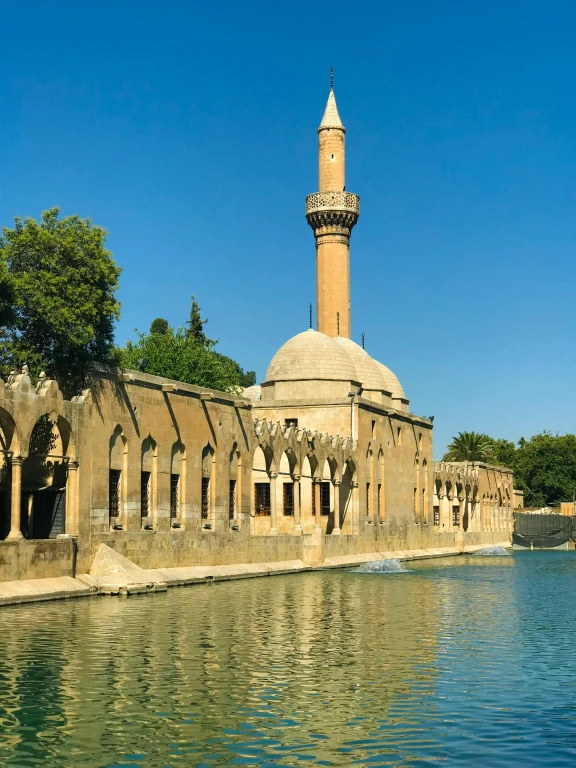
HALIL-ÜR RAHMAN MOSQUE – AYN ZELIHA (BALIKLI LAKE) – RIZVANIYE MOSQUE and the cave where Hz. Ibrahim was born, Sipahi Bazaar, Kazzaz Bazaar, Hacı Kamil Han, Hüseyiniye Bazaar, Naccar Bazaar, Historical Customs Han, Great Mosque and Kitchen Museum are visited and then we visit the archaeological museum and mosaic museum, followed by heading towards Göbeklitepe. The road will take us to Göbeklitepe, one of the most important archaeological discoveries in human history, dating back 12,000 years, which profoundly shakes the foundations of known written history and is thought to be the first pilgrimage center. “Göbeklitepe, one of the oldest temples known as a result of studies conducted to date, is located in the Mesopotamia region. Göbeklitepe offers important data regarding religious beliefs in hunter-gatherer societies. We will examine Göbeklitepe architecturally and subsequently socio-economically, learning how ancient peoples might have created a sacred space to experience their unconventional beliefs, along with information about their religion, religious symbols, technology, and sciences. Then we return to our hotel for accommodation.
DAY 3: MIDYAT – DARA
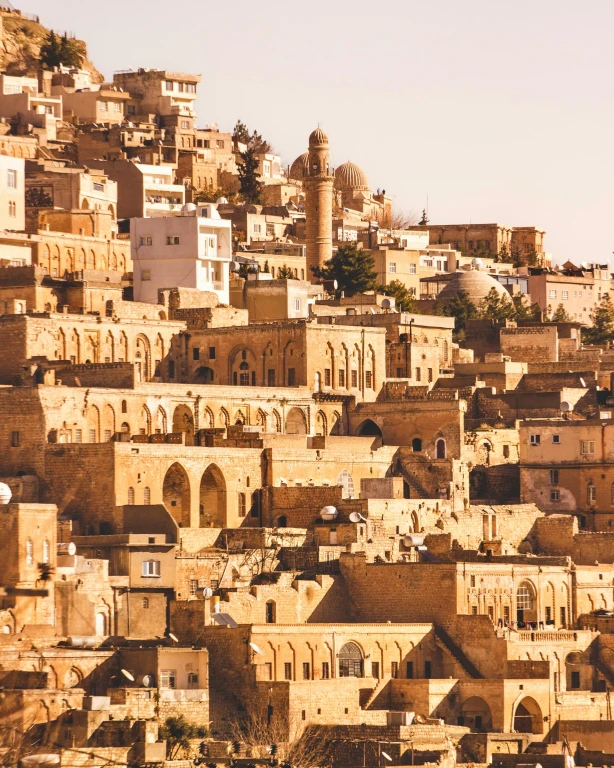
After breakfast at our hotel, we head to Midyat, referred to as “little Mardin.” After our free time in the Telkari market, we reach the terrace of the Guest House, which has hosted many TV series. Here we take beautiful photos and immortalize different views with the local yellow cut stone architecture. After visiting the Mor Gabriel Monastery, known as DEYRULUMUR by the Suris, we move from Midyat to Estel and after lunch, we visit other churches and leave our guests in the bazaar for free time… Guests who wish may enjoy coffee at the historical Gelüşke Han and rest, while others may shop… we then go to Dara, known as the Efes of Mesopotamia. In this ancient city on the Silk Road, we investigate the remains of the world’s first water reservoir and some fire towers built to honor the Achaemenid god Ahura Mazda, along with ruins of a castle (Daras Anastasiupolis), a church, a bridge, aqueducts, water reservoirs, a bazaar, rock tombs, and civil residential buildings. The interactions we have with the local people will once again demonstrate how strong tolerance and love are in the region. After parting with a piece of our hearts here, we go to the region’s picnic area, Beyaz Su, described as a corner of paradise, for a tour before heading to our hotel in Mardin for rest.
DAY 4: MARDIN - KIRKLAR CHURCH - ULU MOSQUE - KASIMIYE MEDRESE - DEYRUL ZAFERAN
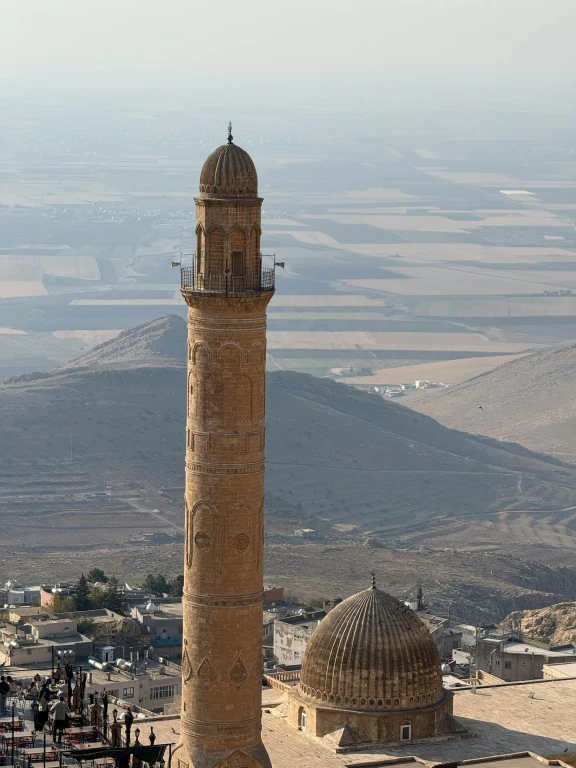
After breakfast, we start exploring the museum city of Mardin. Our first stop is the Mor Behrem Kırklar Church. After obtaining information from the church staff, we will take a walk through Mardin’s narrow streets, visiting the Mardin Museum, Latifiye Mosque, and one of the region's most important structures, The Great Mosque. Afterward, we visit the PTT building, which has hosted many series and films, and after visiting the Şehidiye Mosque and Medrese, we get into our vehicle and arrive at Kasımiye Medrese. This magnificent architecture, which once functioned as a university during the Seljuk period, provides insight into the philosophy of iwans in the Southeastern culture before we turn towards Deyrulzafaran Monastery, which was the center of the world’s Syriac people until 1932. After obtaining information about the monastery, we reach the end of this beautiful tour. We take guests to the airport for their departure.
We hope to meet again with CEMGÖNCÜ TOURISM organization
Tour Program
What's Included
· 3 nights accommodation with breakfast
· Guide and guiding services
· Transfer and transfer services
· Travel Insurance
Not Included
· Hotel extra charges
· Personal expenses
· Museums and archaeological sites
· First day's breakfast
· Lunch and dinner
· Plane ticket
What to bring with you?
- Comfortable walking shoes
- Sun cream and sunglasses
- Hat or thin scarf
- Water bottle and snacks
- Camera or fully charged phone
- Identification document and some cash
Customer Reviews
No reviews yet